














Build High-Fidelity Virtual Reality Simulators for Real-World Scenarios
Create virtual reality simulation solutions that enable users to rehearse procedures, evaluate scenarios, engage with realistic settings, and assess performance securely in various applications, including technical, industrial, training, and business contexts.
Custom VR Simulation Development for High-Stakes Real-World Scenarios
Euphoria XR develops Virtual Reality Simulators that replicate real equipment, environments, workflows, and operating conditions with realistic interactions. We do VR simulator development for specific business needs to enable your organization to simulate different scenarios and to prepare employees for difficult or dangerous circumstances safely. Every solution can be coupled with an immersive 3D world, scenario logic, hardware, haptics, multi-user, and performance tracking. Our VR simulation solutions deliver scalable, repeatable experiences for training and testing, safety, and enterprise use spanning a variety of industries from concept design through development, deployment, analytics, and continuous support.

Why Virtual Reality Simulators Deliver Better Training Outcomes
VR simulation solutions allow teams to practice dangerous situations, build confidence, and execute difficult tasks without influencing live operations. Learner performance can be tracked, scenario delivery can be made consistent, reliance on actual surroundings can be reduced, and immersive practice can be spread across places, facilities, and teams.
✓ Perform complex tasks with repetitive drills without interruption of real-world operations.
✓ Recreate realistic equipment, environments, hazards, and the workplace safely.
✓ Minimize dependence upon equipment, plant, transportation, and reconfiguration.
✓ Allow users to make errors and don’t endanger people or assets.
✓ Track decisions, task completion, errors, timing, and learner progress.
✓ Deliver the same simulation consistently across teams and locations.
✓ Encourage students to be active by utilizing interactive 3D environments and scenarios.
✓ Scale simulator-based learning across departments, facilities, and distributed workforces.
Faster Skill Development
Realistic Scenario Practice
Risk-Free Learning
Performance Tracking
Scalable Across Teams
Train smarter with immersive VR simulations built for real-world performance.
How Virtual Reality Simulators Power Industry-Specific Training
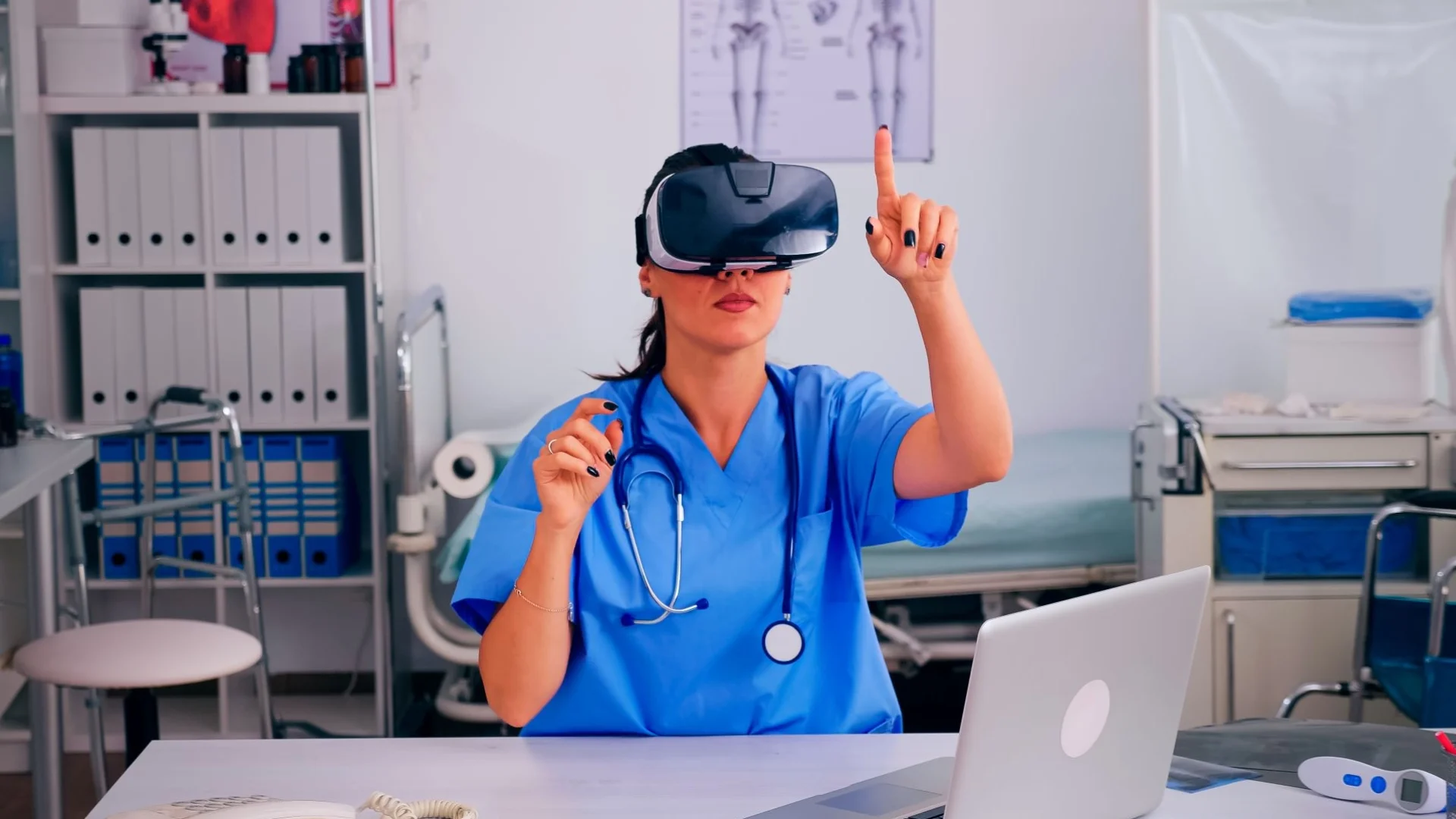
VR Simulators in Healthcare
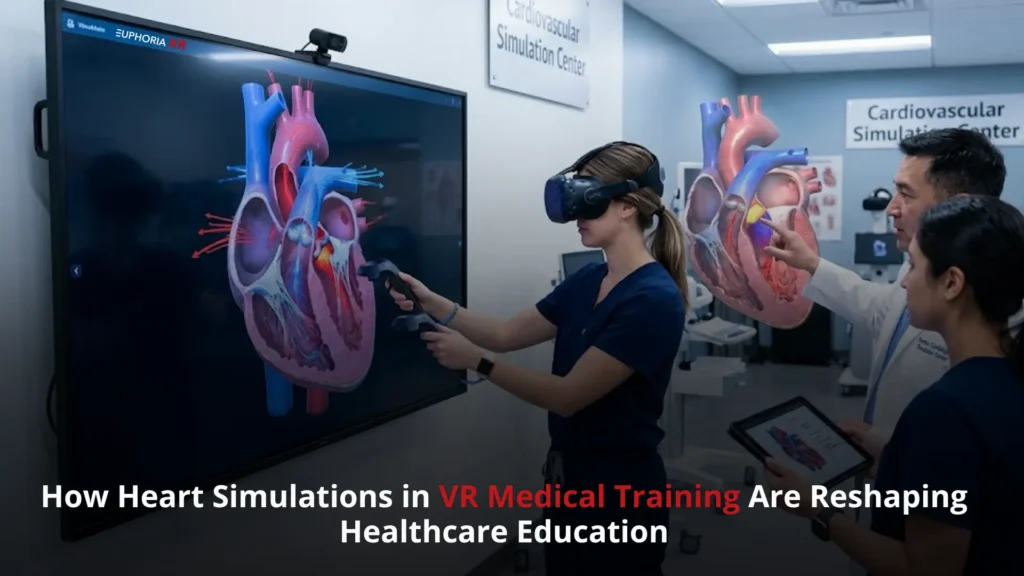
VR simulators in healthcare are helping to improve the knowledge, skills, and abilities of people through a consistent method to ensure safer practices, repeatability, and measurable clinical skill development outcomes.
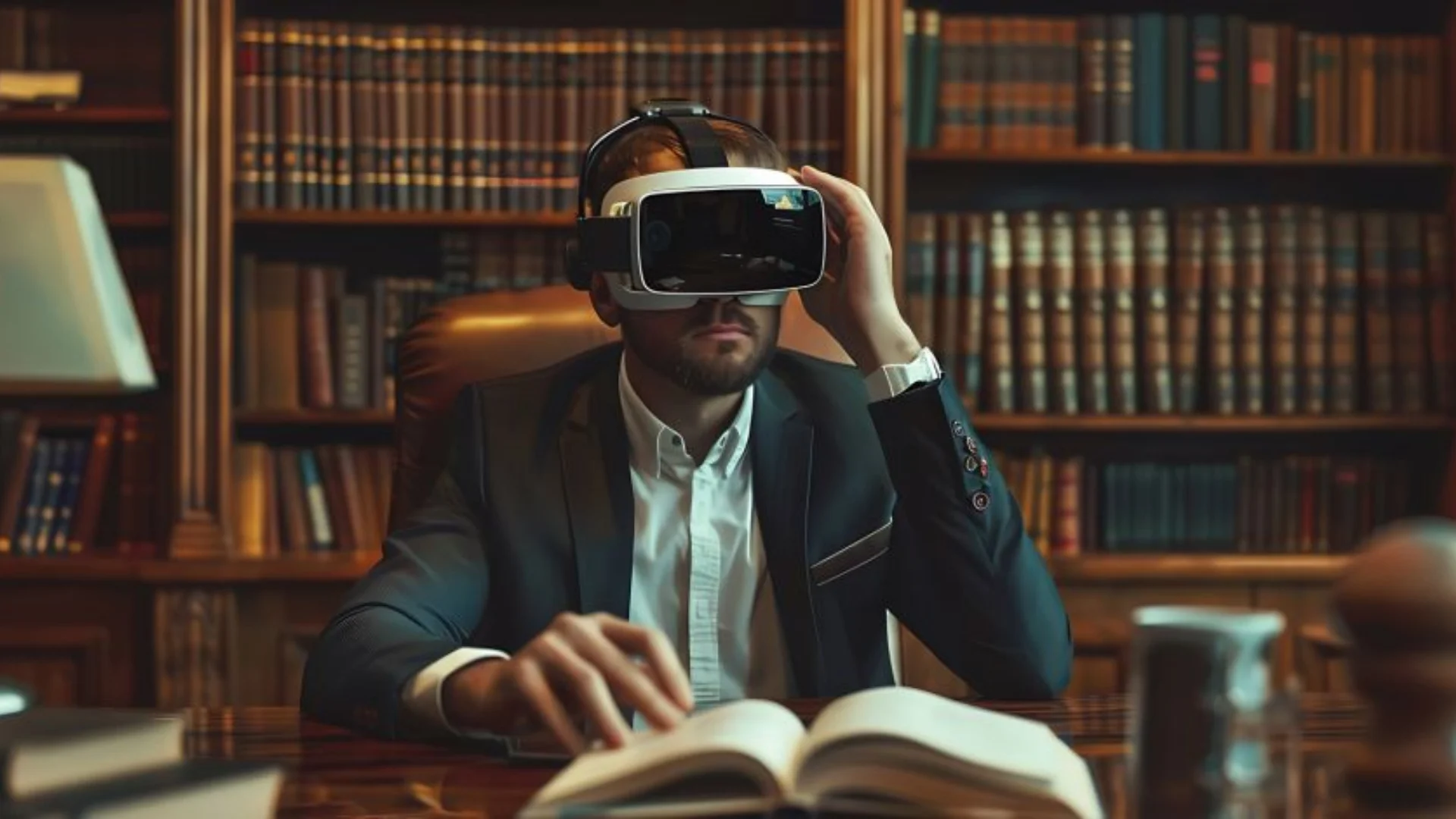
VR Simulators for Legal Education
VR simulators are used by legal professionals to rehearse court scenarios, questioning witnesses, negotiation, evidence review, and case presentation, which boosts confidence, judgment, and communication skills before actual court hearings.
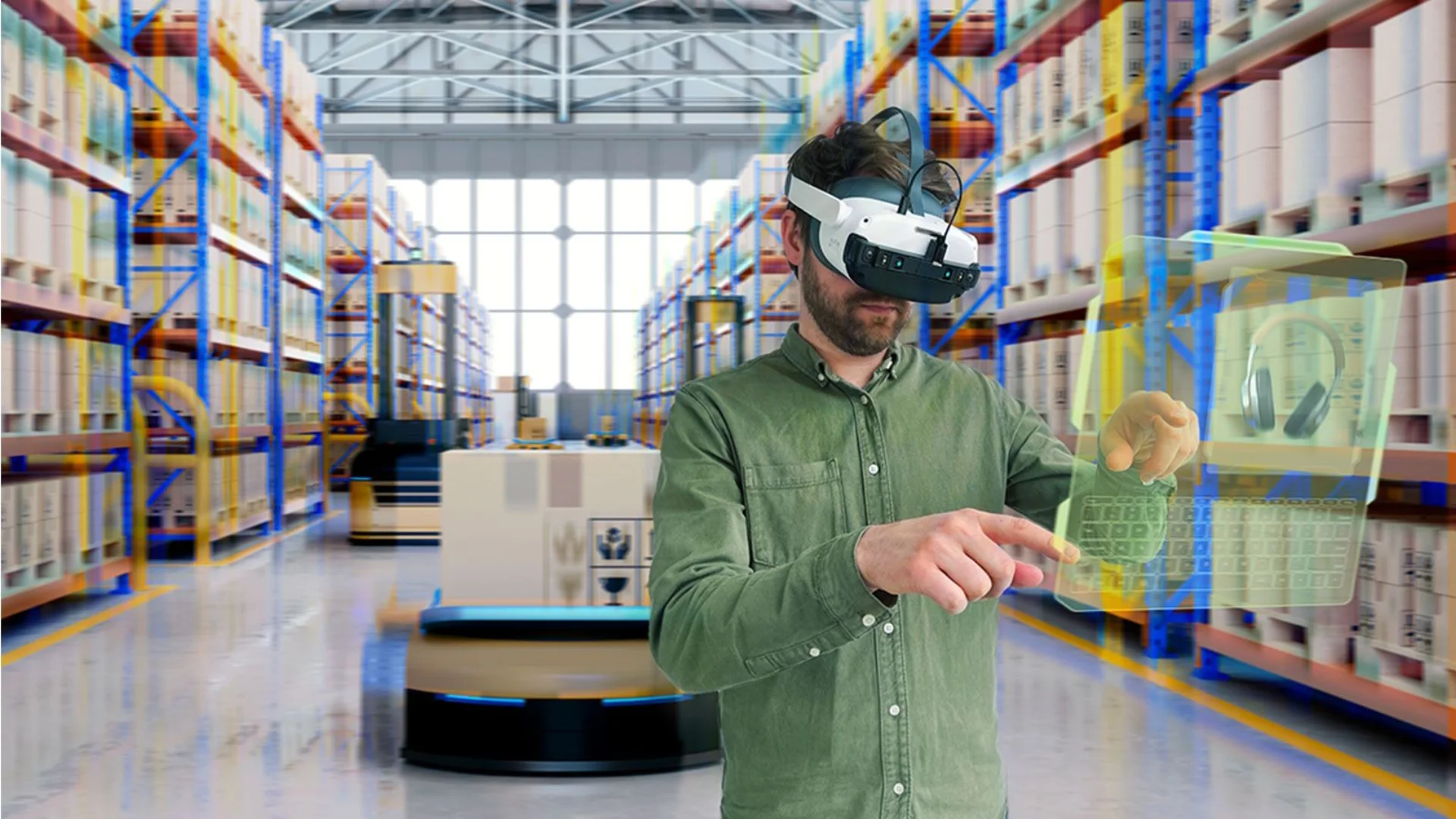
VR Simulators in E-Commerce and Retail
Immersive simulation is used by retail brands to train workers in customer service, merchandising, store operations, product and virtual shopping tasks, and to boost store consistency, engagement, readiness, performance, and more across global locations.
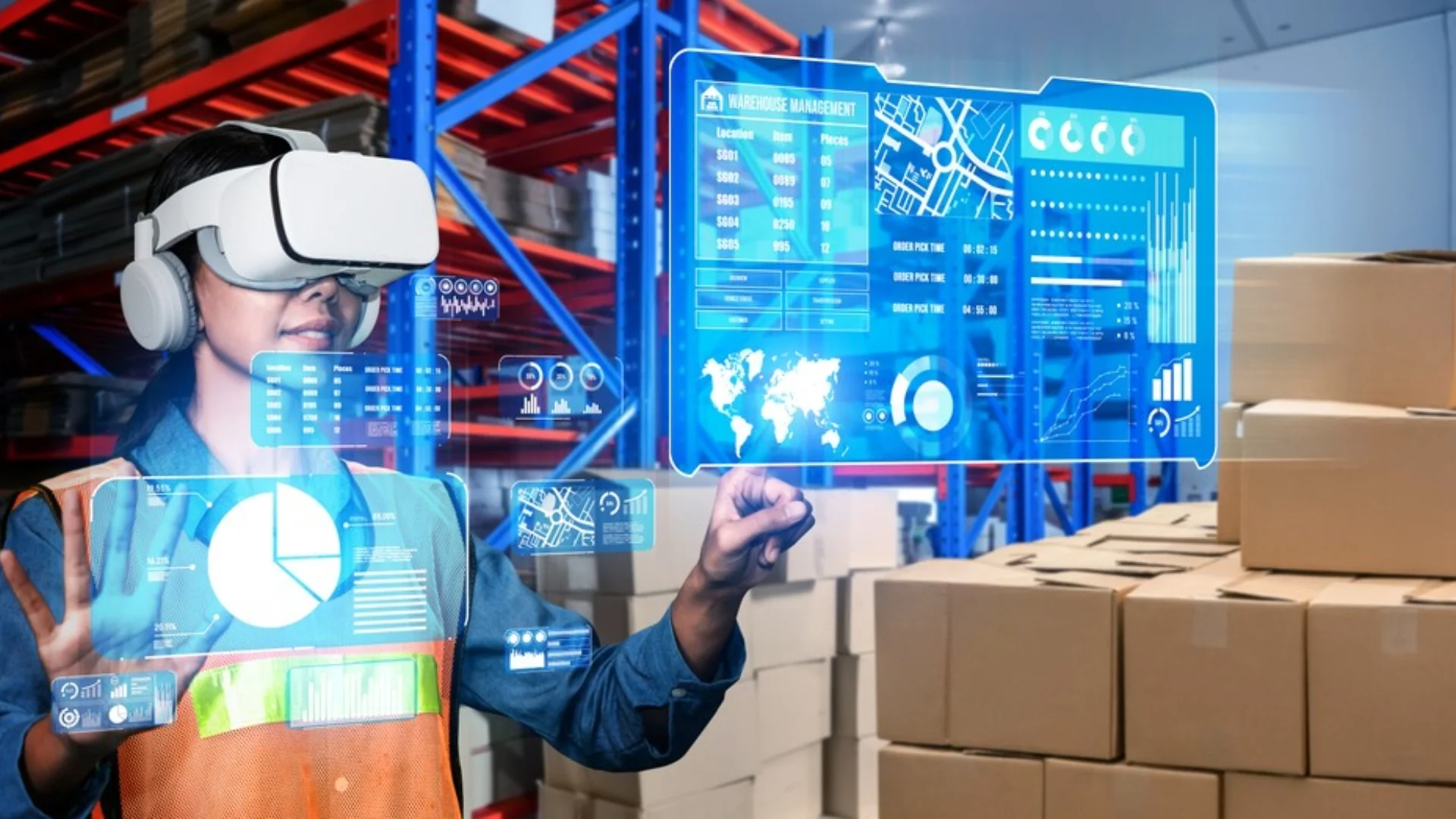
VR Simulators in Logistics
VR simulators enable logistics teams to repeatedly rehearse complex warehouse operations on equipment, routing, loading, safety checks, and emergencies without impacting workflows, production, vehicles, or live facilities.
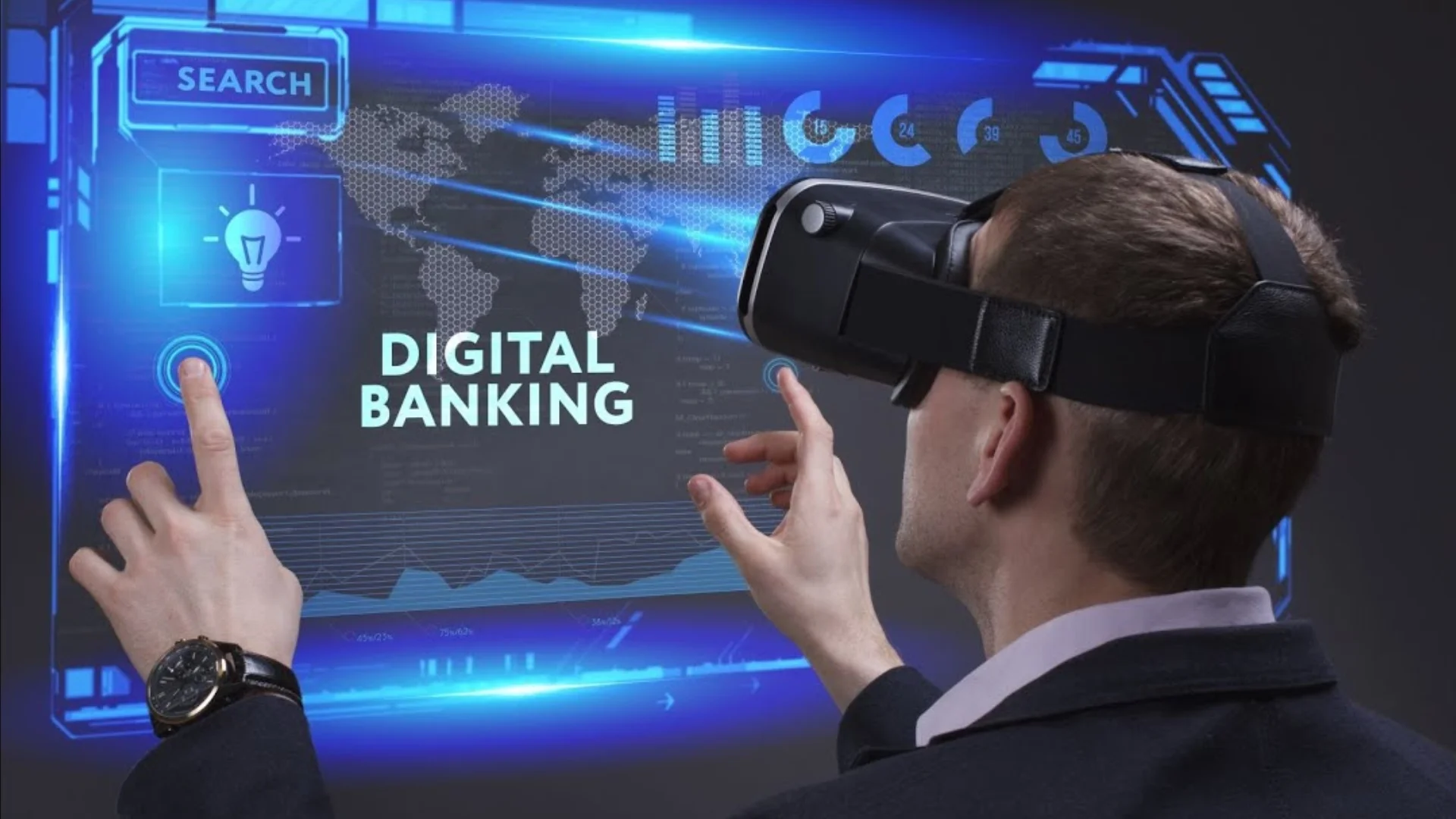
VR Simulators in Finance and Banking
Enterprise VR simulation enables teams in finance to practice their interactions with customers, regulatory requirements, staff fraud response, cybersecurity learning and awareness, and high-stress decision-making in a safe, consistent, and measurable way.
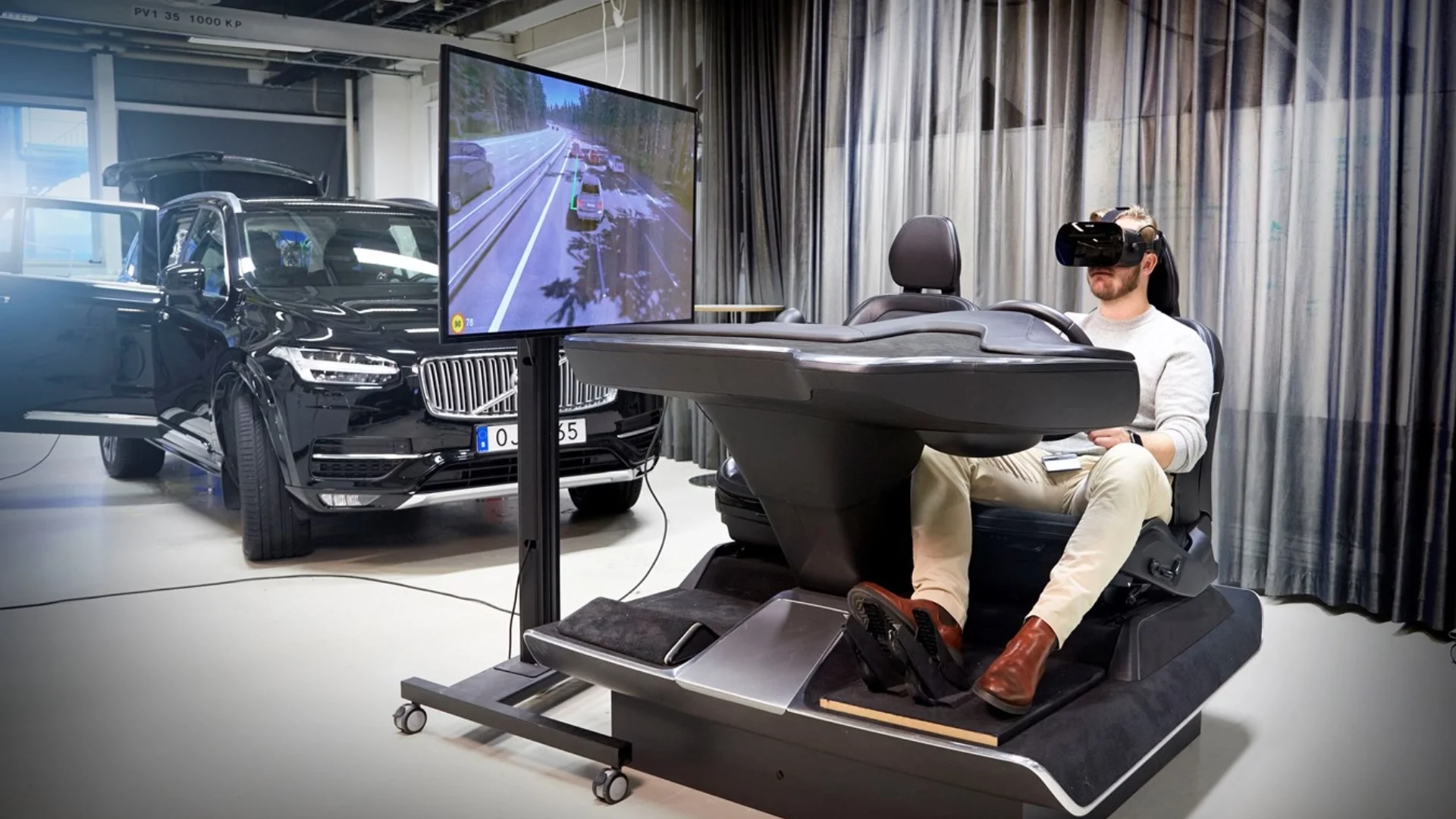
VR Simulators in Automotive
VR simulators are used by automotive teams to simulate vehicle assembly, diagnostics, maintenance, driving scenarios, safety procedures, and customer interaction to enhance technical readiness, operational confidence, and uniformity company-wide.
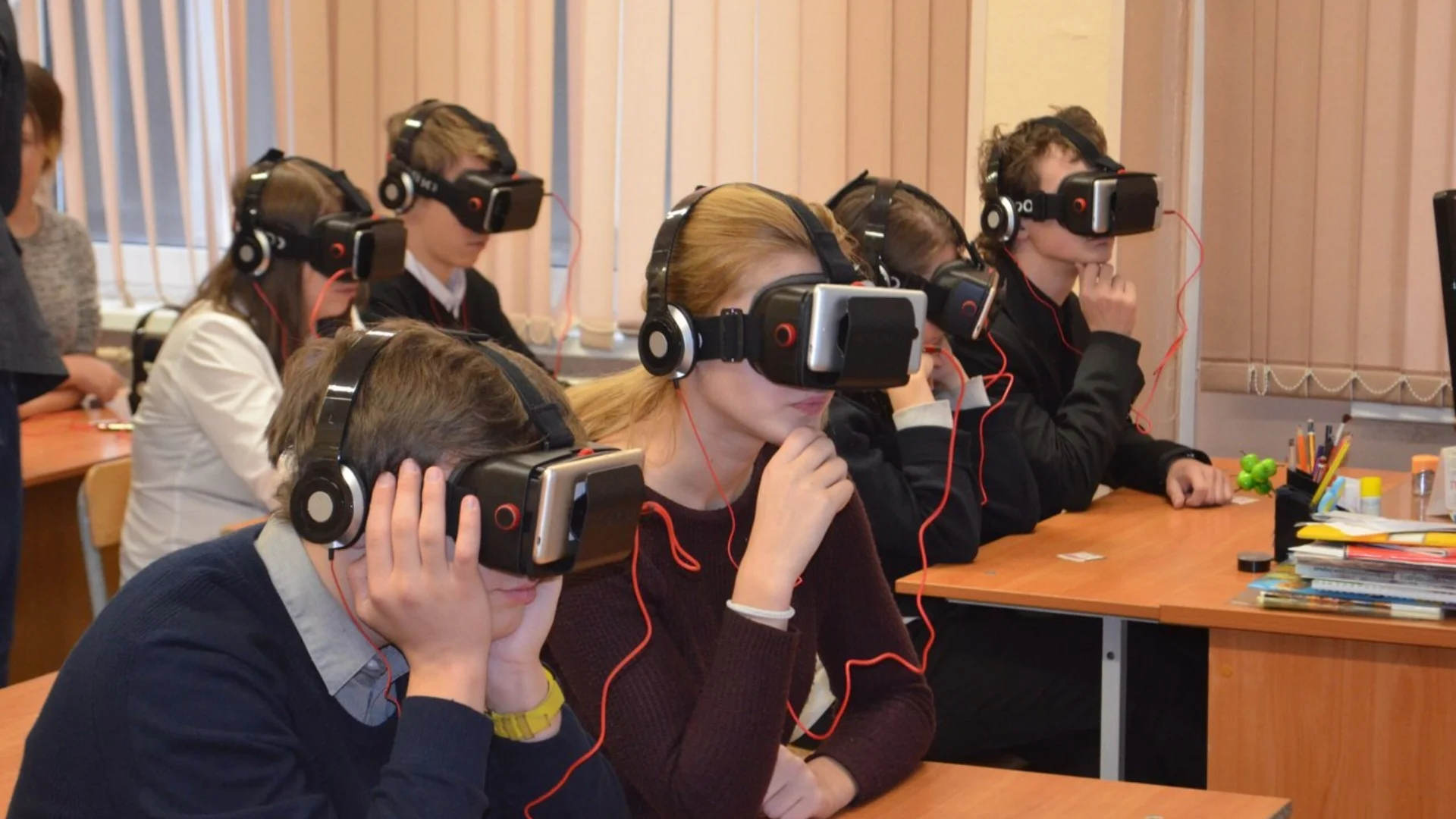
VR Simulators for Education Training
VR simulators are used by automotive teams to simulate vehicle assembly, diagnostics, maintenance, driving scenarios, safety procedures, and customer interaction to enhance technical readiness, operational confidence, and uniformity company-wide.
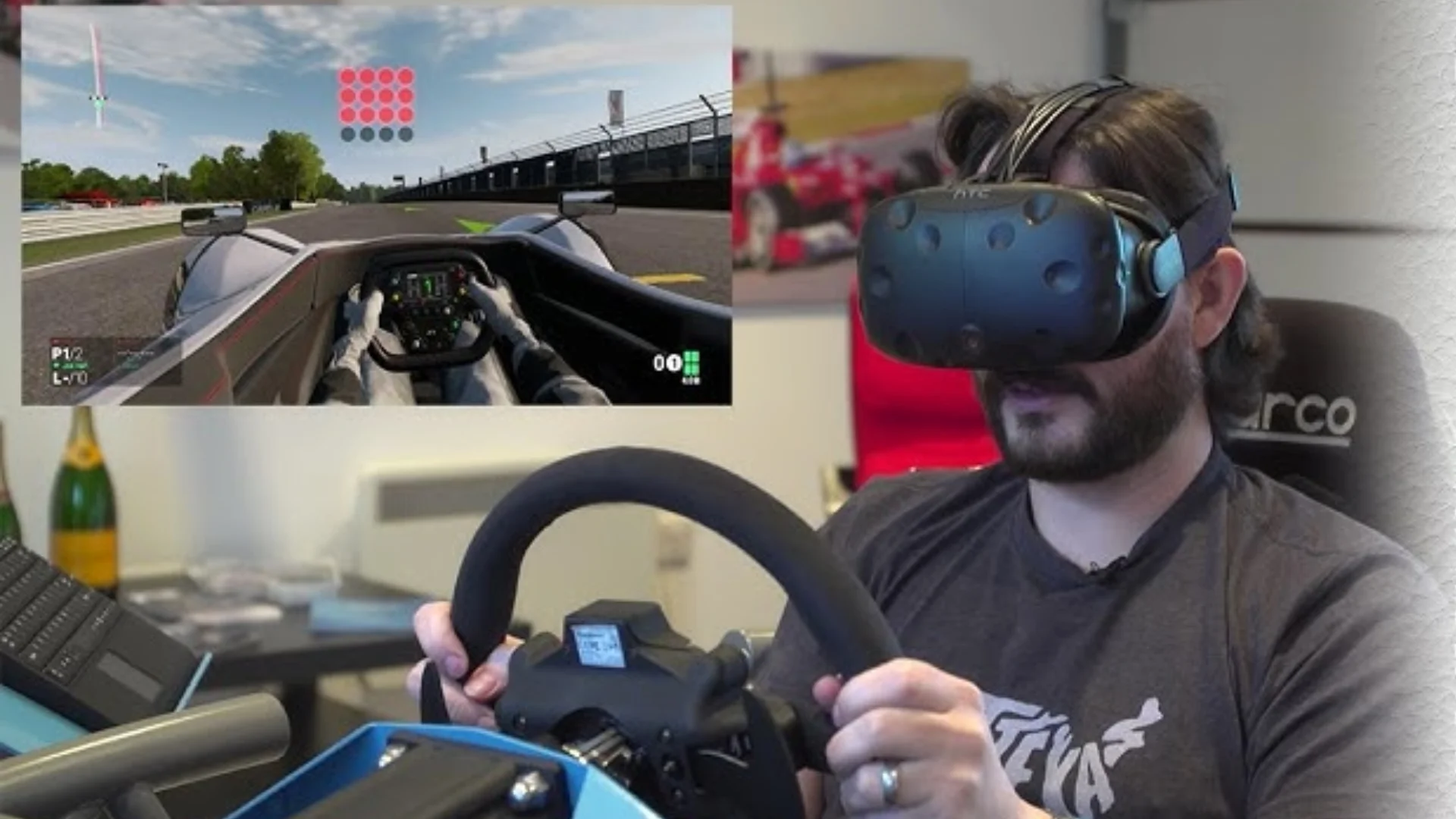
VR Simulators for Gaming & Entertainment
VR gaming and entertainment teams utilize simulators to experiment with interactions, practice production procedures, prototype immersive experiences, and measure audience responses in terms of crowd management inside a controlled space before launching live experiences or branded events.
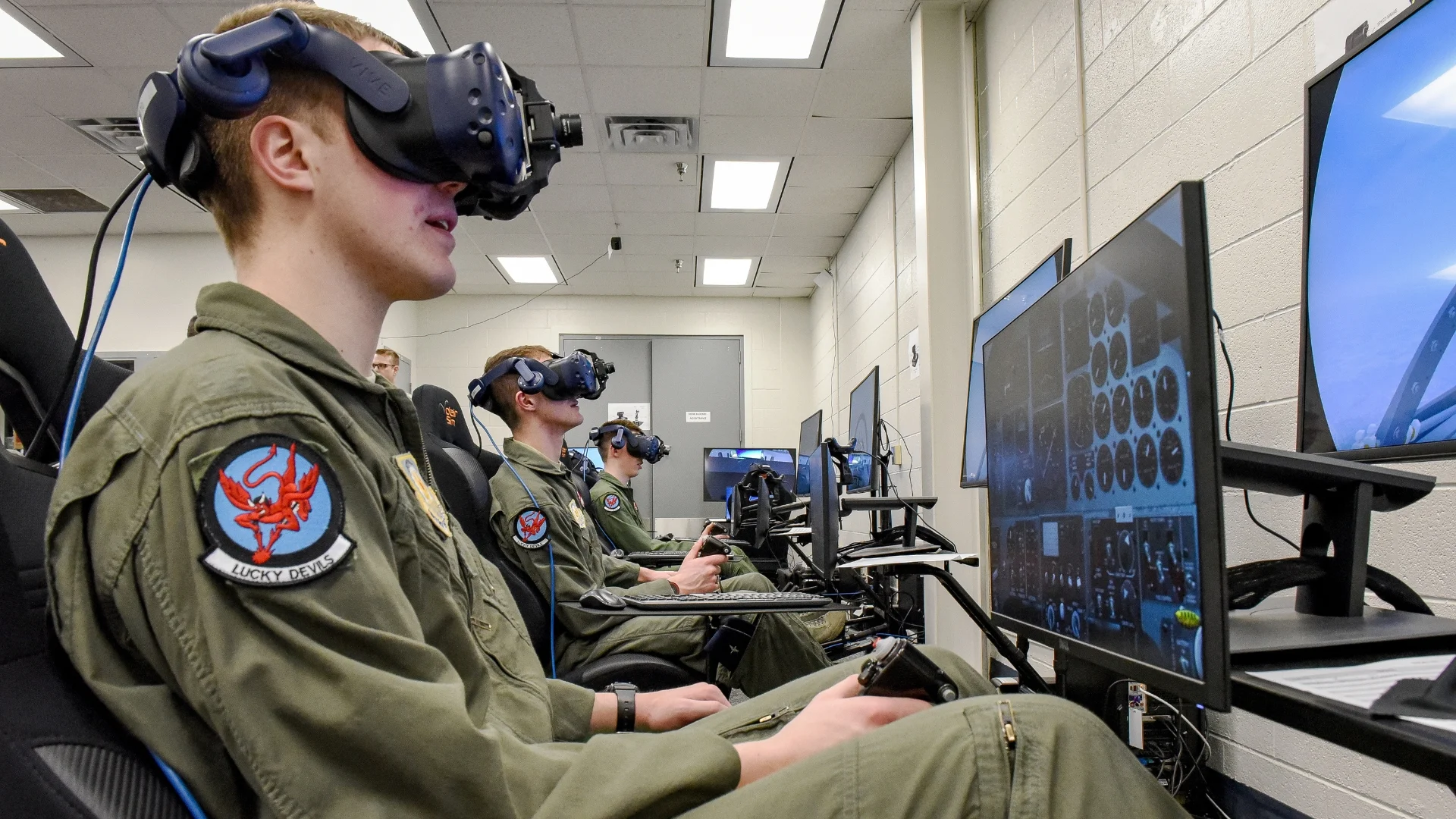
VR Simulators in Military & Defense
High-fidelity VR simulators are employed by military and defense units to practice mission scenarios, operate equipment, tactical planning, emergency procedures, and team coordination without putting equipment or people at risk in operational situations.

How We Build Custom VR Simulators From Concept to Deployment
The process of creating an operational simulator at Euphoria XR is broken down into systematic steps that convert operational needs into realistic, scalable VR simulations. Each stage emphasizes accurate interaction, seamless hardware integration, performance assessment, and future usability in training, testing, and enterprise simulation applications across the globe.
01
Discover & Define
We set objectives, workflows, hardware requirements, and outcomes to create a foundation upon which each VR simulator project will be built.
02
Plan & Prototype
Our team maps scenarios, interactions, controls, and user paths, and tests prototypes to validate functionality before going to full simulator development.
03
Design the Environment
Realistic 3D environment, assets, 3D interfaces, and spatial interactions are designed that accurately represent operational conditions users will encounter during simulation.
04
Develop & Integrate
Developers create interactions, analytics, simulation logic, connections to hardware, and back-end systems, and combine them into an interactive and reliable ecosystem.
05
Test & Optimize
We conduct usability testing, tracking features, compatibility testing, scenario correctness testing, and performance testing, optimizing the simulator on supported systems reliably.
06
Deploy & Support
Once the simulator is launched, we set up systems, monitor performance, update, maintain, and offer technical support as needs dictate.

02
Plan & Prototype
Our team maps scenarios, interactions, controls, and user paths, and tests prototypes to validate functionality before going to full simulator development.
04
Develop & Integrate
Developers create interactions, analytics, simulation logic, connections to hardware, and back-end systems, and combine them into an interactive and reliable ecosystem.
06
Deploy & Support
Once the simulator is launched, we set up systems, monitor performance, update, maintain, and offer technical support as needs dictate.
Real-World VR Simulator Projects Built for Practical Impact
Euphoria XR develops customized VR simulators, which give an immersive and accurate experience of real environments, equipment, workflow, and high-risk scenarios. Our simulation experiences are infused with realism, scenario logic, and performance-based design to enable safer practice, faster and better decision-making, and repeated learning. Each solution caters to tangible objectives and metrics for companies, whether in aviation workflows or road safety, or branded immersive experiences.
How to Successfully Implement VR Simulators Across Your Organization
Turn VR Simulator Deployment Into a Scalable Business Rollout
We help organizations implement custom VR simulation solutions from goal setting and hardware planning to pilot testing, deployment, and ongoing optimization. The process ensures that simulator performance, user adoption, technology selections, and measurable results are aligned, enabling teams to scale their immersive simulation.
Cost of Virtual Reality Simulator Development
The VR simulator development cost is determined by the complexity of the simulation, 3D environments, equipment specifications, integrations, analytics, user capacity, and deployment scope. There are flexible models of engagement for businesses, allowing them to select the delivery model that best fits their technical requirements, project timeframe, scalability targets, and budget.
Dedicated Team Model
- Full-time simulator development specialists
- Suitable for more involved and longer-term tasks.
- Non-stop co-operation and faster iterations.
Fixed Price Model
- Defined scope and agreed project cost
- Ideal for MVPs and well-defined needs.
- Predictable budget with planned deliverables
Hourly Model
- Flexible pay-as-you-go development
- Ideal for updates and maintenance
- Scales with changing project requirements
Challenges of Virtual Reality Simulators
Developing great VR simulators is a task plagued by technical, creative, and strategic obstacles. At EuphoriaXR, we take the clients through every step-ensuring that they achieve immersive results without sacrificing quality or functionality.
Frequently Asked Questions (FAQs)?
What are Virtual Reality (VR) Simulators?
Virtual reality simulators refer to immersive worlds, which have interactive characteristics of the real world for training, instruction, or practice. They enable their users to carry out lifelike tasks without real-world risks, speeding up learning, memory, and decision-making.
How much does it cost to build a VR Simulator?
Cost is dependent on the complexity of the project, features, and hardware requirements. At EuphoriaXR, our VR simulators are usually between $8000 to $ 150,000+, with matching payment planning to meet your budget and objectives.
What do we use VR Simulators for?
We develop VR simulators to simulate what happens in the real world, supporting teams in practicing safely and learning faster by immersion.
What industries do we serve by using VR Simulators?
Our VR simulators are applied to healthcare, education, logistics, defense, automotive manufacturing, aviation, and many more, wherever the applicability of hands-on training is of paramount importance.
How many days do we need to come up with a VR Simulator?
Our VR simulator projects typically range between 6 to 16 weeks, depending on how complex, demanding on content and scope of development it is.
What hardware do we support for VR Simulations?
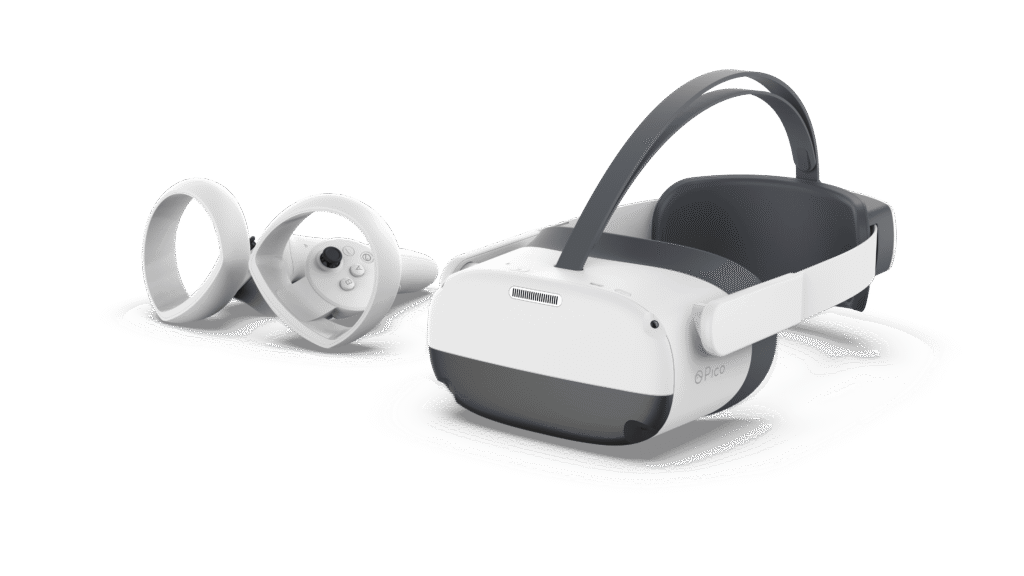
From Meta Quest, HTC Vive, Pico, and other leading brands, we create VR simulators tailored to your budget and tech stack.
Is there performance tracking in our VR Simulators?
Yes. We incorporate performance analytics that will come in handy in gauging the progress, decision-making, and skill development in real time.
What are the types of Virtual Reality Simulators?
There are several categories of possible VR Simulators; each made for special training purposes:
- Non-Immersive Simulators: Desktop type with limited interaction (e.g., joystick simulation).
- Semi-Immersive Simulators: Partial VR via projection of image on a large screen or limited tracking.
- Fully Immersive Simulators: Using a headset to provide an actual 360° interaction along with real-world positioning.
- Multi-User Simulators: Enable more than one user to train or collaborate in shared virtual environments.
- Haptic-Enabled Simulators: These provide touch feedback to simulate the feeling of real contacts.
At EuphoriaXR, we concentrate on the design of fully immersive and multi-user VR simulators for your training aspects.
Insights Shaping the Future of VR Training
Company's Stats






Let's talk about your project
We are here to turn your ideas into reality